Building a Design Community Across Amazon Operations: Four Years of the Ops Design Summit

In 2019, a colleague and I had a simple idea: the designers, researchers, and design technologists working across one of the largest operations organizations in the world deserved a stage. Their work, the kind that quietly makes same-day delivery feel effortless to millions of people, rarely got seen outside their immediate teams. So we built them a place to be seen.
That idea became the Operations Design Summit, an annual event showcasing the projects, mechanisms, and insights of a design community that, by the end of my time with it, numbered in the hundreds across a dozen countries. I co-started it in 2020 and, from 2022 to 2024, moved from co-chair to sole chair, back to co-chair, and eventually into an advisor role. Then I did one of the hardest and most rewarding things a founder can do: I handed it off.
This is the story of what we built, what I learned, and why the ending matters as much as the beginning.
Year One: Proving It Could Exist
The first summit was a lightweight, in-person gathering — a half-day of short, punchy lightning talks from people across the design community. We didn’t have a budget, a board, or a mandate. We had conviction that the work was worth celebrating and a willingness to do the unglamorous coordination to make it happen.
What we proved that first year wasn’t that we could run a flawless event. It was that the appetite was real. People wanted this. They wanted to see their peers’ work, to be introduced to teams they’d never heard of, to feel part of something larger than their own backlog.
The Pivot: When the World Went Virtual
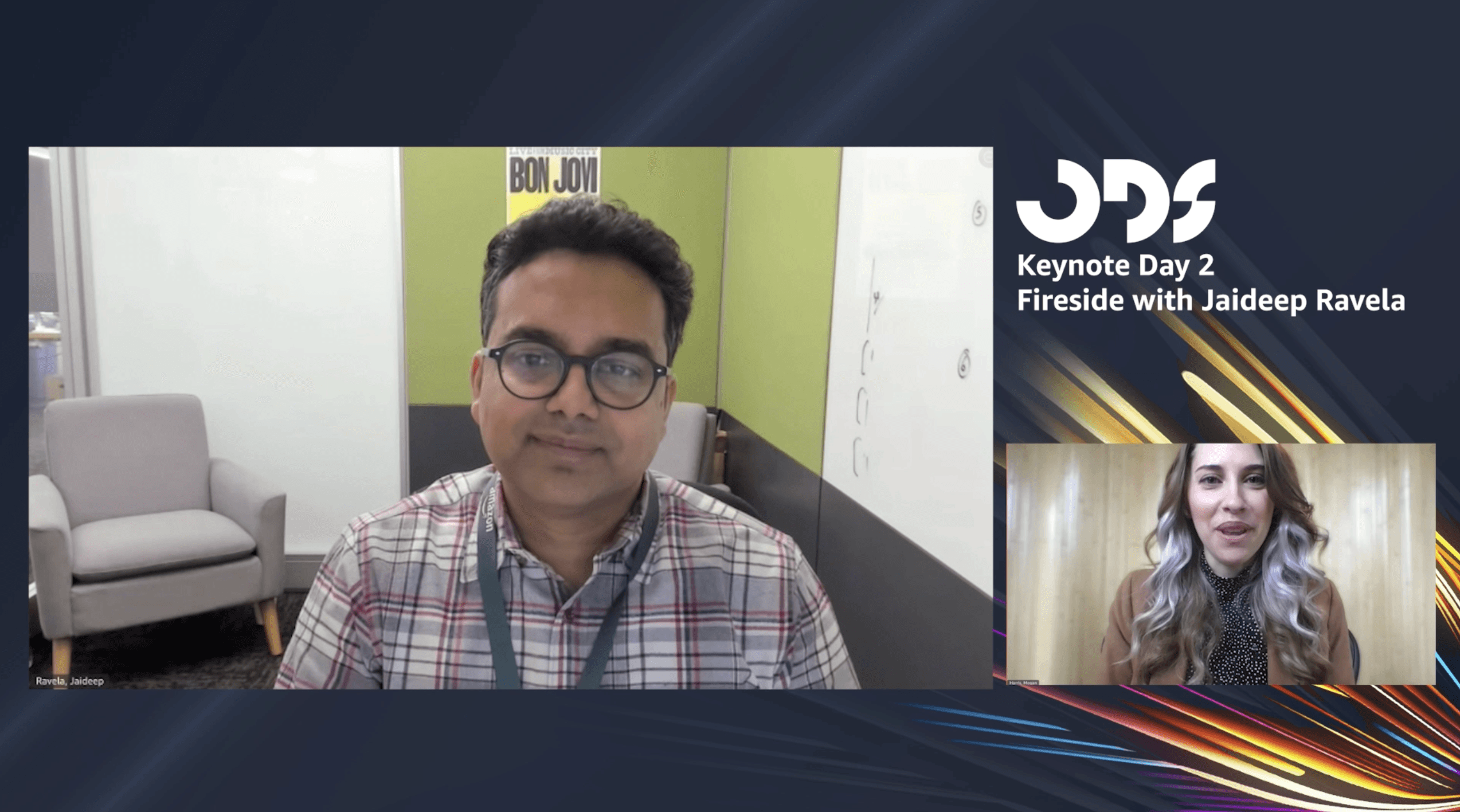
Then 2020 happened to all of us. By our second summit, in-person was off the table, and we rebuilt the entire event as a 100% virtual experience.
In hindsight, the constraint was a gift. Going virtual forced us to think about reach, accessibility, and inclusion in ways an in-person event never would have. We partnered with our broadcast team to record every session, ran live chat so attendees could ask questions in real time, and, the piece I’m proudest of, provided ASL interpretation and closed captioning so the summit was genuinely open to everyone.
Counterintuitively, attendance grew. Removing the walls of a physical room meant designers in other countries and time zones could finally join. The thing we thought was a setback became the foundation of how the summit scaled.
Becoming Chair: From Event to Institution
In 2023, I took over as sole chair, and my ambition for the summit changed. An event is something you throw. An institution is something that runs whether or not any one person is in the room. I wanted the Ops Design Summit to be the latter.
That meant doing the founder work that doesn’t show up on stage:
Securing executive sponsorship. I found director-level sponsors who believed in the vision and could unlock the funding to make the program real and repeatable, not a scrappy side project, but an officially established annual program.
Building a team, not a to-do list. I started the year as sole chair, but I knew the summit couldn’t scale around one person. In the midst of planning, I found a co-chair who could lead alongside me. Together, we recruited volunteer directors and committee members across disciplines, locations, and levels, and partnered closely with HR and talent teams. The summit stopped being something I did and became something we did.
Writing it down. We established a board and a set of bylaws: roles, responsibilities, decision-making norms, and succession planning. It sounds bureaucratic. It was actually liberating. It meant the summit no longer depended on any single person’s memory or heroics.
We also evolved the summit into a hybrid experience that brought together the best of both worlds. At headquarters, the summit wasn’t just a lineup of talks and keynote speakers. We created a showcase floor where teams set up booths to demo their work, giving attendees a chance to interact, exchange ideas, and talk shop. The space also helped teams connect with and recruit design talent, while catered happy hours, drinks, and snacks made it feel as much like a community reunion as a conference. At the same time, virtual access allowed colleagues across countries and time zones to participate, extending the experience and our reach well beyond the walls of headquarters.

Keeping It Relevant, Every Single Year
One thing that was important to me was making sure the summit stayed relevant. We didn’t want to repeat the same topics year after year just because they had worked before.
Each year, we looked at what was happening in the industry, what was changing inside the business, and what our design community was actually talking about and struggling with. Then we built the theme, sessions, and conversations around those needs.
I think that’s one of the reasons people kept coming back. Every year felt different because our community and the work around us were changing too.
The Hardest Part: Letting Go
In 2024, I stepped down as chair and moved into an advisor role.
That was harder than I expected. I had been part of the summit from the beginning, and for years I was deeply involved in almost every part of it. But I also knew that if I wanted the summit to continue growing, I couldn’t always be the person at the center of it.
That was why we had spent so much time building the structure around it. We had a board, bylaws, executive sponsors, defined roles, a committee, and new leaders who were ready to take it forward.
Stepping back gave them the space to make it their own.
As an advisor, I could still share the history behind certain decisions, provide context when it was helpful, and support the team when they needed me. But I no longer needed to be involved in every decision.
Seeing the summit continue without me wasn’t the end of what I had built. It was proof that we had built something that could last.
What I Learned Along the Way
You don’t need to have everything figured out before you start. Our first summit was a half-day event. We started with what we could do, learned from it, and made it better each year.
Sometimes the thing that disrupts your plan changes it for the better. Moving virtual wasn’t what we originally imagined, but it opened the summit to people across countries and time zones and pushed us to think much more intentionally about accessibility.
Accessibility needs to be part of the experience from the beginning. ASL interpretation, closed captioning, recordings, and virtual access weren’t extras. They helped more people in our community participate in ways that worked for them.
If you want something to last, you have to build more than the event itself. Finding sponsors, establishing a board and bylaws, bringing in a co-chair, building committees, and creating a succession plan weren’t the most visible parts of the summit, but they became some of the most important.
Make room for other people to lead. I didn’t build the Ops Design Summit because I wanted to chair it forever. I wanted to create something meaningful for our design community. Eventually, the best thing I could do for it was step back and let the next group of leaders take it forward.

